
Real reviews. Smarter decisions.
Camping gear that fits your trip, and the reasons why.
We compare real specs, test the top picks and spell out every trade-off, so you buy the right tent, lantern or air mattress the first time.
- Specs comparedEvery product in one database
- Top picks testedBought, used, photographed
- Trade-offs explainedWho it’s for, and who it isn’t
- Updated each seasonDated, re-checked guides
Browse by category
Start with what you’re packing
Six categories, each with buying guides, head-to-head comparisons and a tool that narrows the choice for you.
Tents
Family, cabin, instant and waterproof tents, sized by who’s coming.
We measure: floor area · peak height · rainflySleeping
Air mattresses, sleeping pads, cots and bags for a real night’s sleep.
We measure: R-value · thickness · pack sizeLighting
Lanterns, headlamps and string lights ranked on what they really put out.
We measure: lumens · runtime · IPX ratingCamp Kitchen
Stoves, coolers, cookware and camp coffee that survive the trip.
We measure: BTU · ice days · capacityCamp Furniture
Chairs, tables and hammocks built for long evenings by the fire.
We measure: seat height · weight limit · packed sizePower & Comfort
Power stations, fans, heaters and solar panels for off-grid comfort.
We measure: Wh · output W · recharge timeTools, not just lists
Answer a few questions. Get a clear answer.
Our calculators and finders run on real specs, so the recommendation changes when your trip does.
Tent Finder
How many people, how you camp and the weather you expect, matched to floor space, height and rain protection.
5–6 people · heavy rain → 3 picks FinderLantern Finder
Budget, power source and priority matched to lumens and runtime.
family · brightness → 3 picks FinderPower & Comfort Finder
Power stations, fans and tent heaters matched to what you need to run.
CPAP · most runtime → 3 picks FinderSleep Setup Finder
Air mattresses, pads, cots and bags matched to your trip and coldest night.
couple · car camping → 3 picksInside the database
Every pick starts as a row in a spreadsheet
We score products against the same verified fields, so a comparison holds whether you are looking at a budget camp chair or a thousand-dollar power station.
Buying guide
How to choose camping gear without guessing
Most camping disappointment traces back to the same thing: a number on the box that does not mean what it looks like it means. Tent capacity, peak lumens, ice retention and battery capacity are all quoted under conditions you will never actually camp in. Learn to read four or five numbers properly and the whole category stops being confusing.
Start with the trip, not the product
Before you look at a single product, write down four things: how many people, how you are travelling, the coldest night you realistically expect, and the one thing you are not willing to compromise on. Those four answers eliminate most of the market before you have read a single review. A family of five car camping in July and a pair walking in at altitude in October are not shopping in the same aisle, even though search engines will show them the same roundups.
This is exactly what our gear finders do: they turn those answers into a shortlist from our database, and then explain why each pick fits and what it gets wrong.
The numbers that actually decide it
Each category has one or two figures that matter far more than the rest, and usually they are not the ones on the front of the packaging.
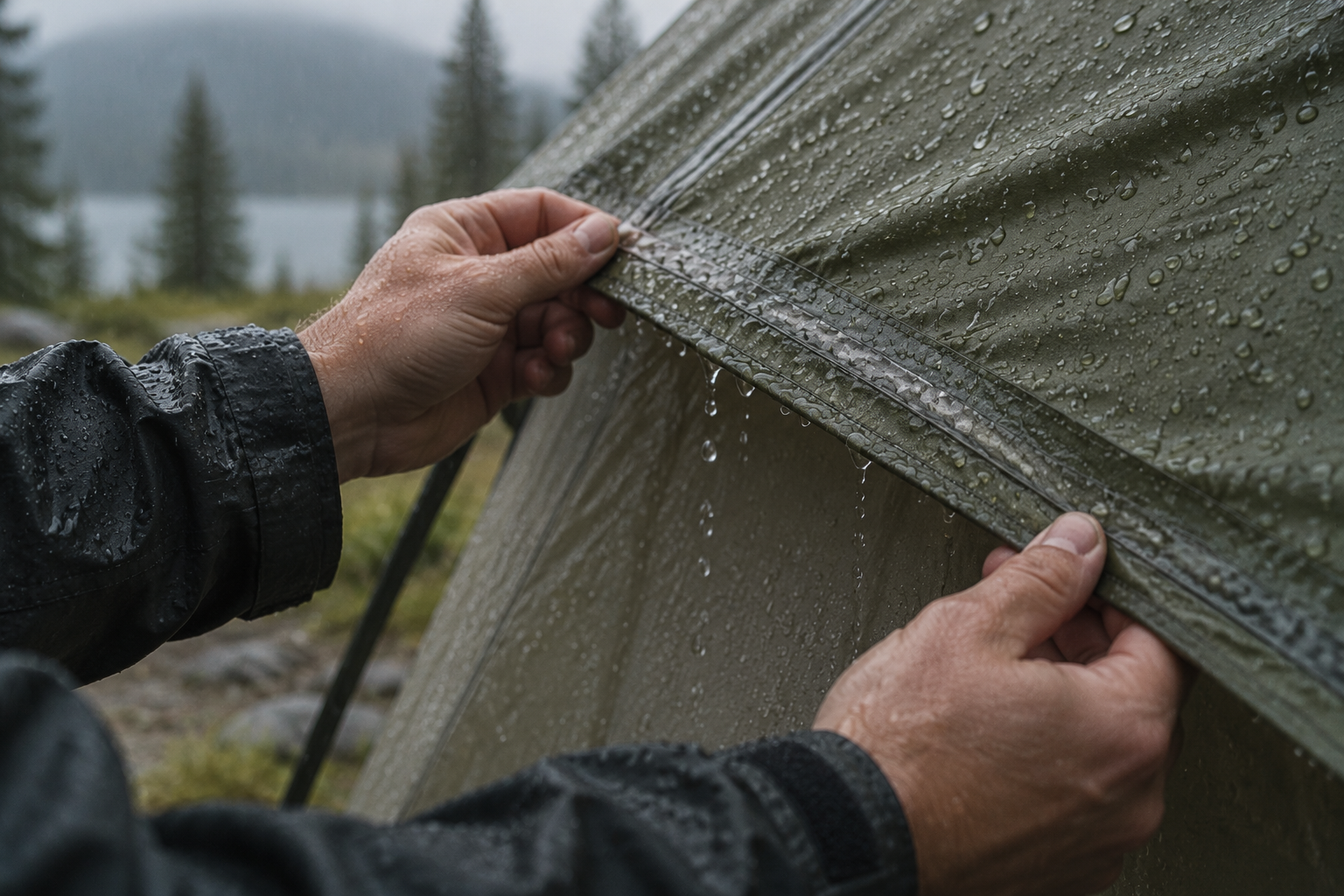
- Tents: usable floor area per person, not the capacity label. Aim for 25 to 30 square feet each, and check that the rainfly reaches close to the ground rather than stopping above the windows.
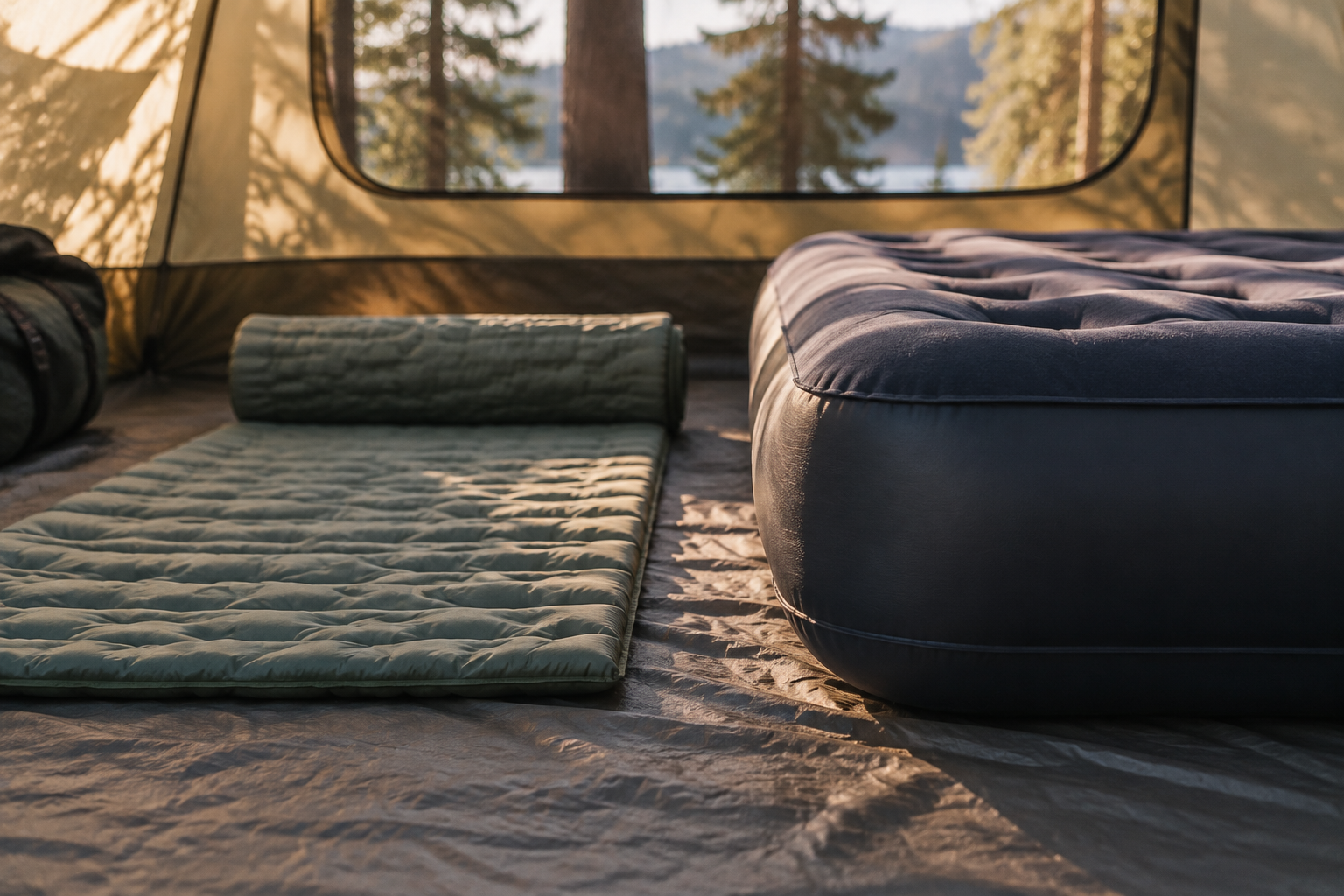
- Sleeping gear: R-value, not thickness. Insulation is what keeps you warm; loft only decides how comfortable you are while you are warm.
- Lighting: runtime at a brightness you would really use. Peak lumens are a burst most lanterns cannot hold for an evening.
- Camp kitchen: wind protection and honest ice retention. A high BTU rating means little if the burner has nothing shielding it.
- Camp furniture: seat height and the margin on the weight limit. Both decide whether a chair is still pleasant on the third evening.
- Power and comfort: usable watt-hours after inverter losses, which is meaningfully less than the capacity printed on the case.
Buy in the order that protects your sleep
If the budget is finite, and it usually is, spend it in this order: sleep system, shelter, light, kitchen, then comfort. A cold or uncomfortable night wrecks a trip faster than a mediocre stove ever will, and an insulated pad is the cheapest large improvement most campers can make. Chairs, tables and gadgets are genuinely nice, but they are the things to buy once the first four are sorted.
What we mean by best
We do not publish a single best product, because the honest answer always depends on the trip. What we publish is the best match for a stated use case, with the trade-off named in the same breath as the recommendation. If a tent pitches in ninety seconds but its fly leaves the windows exposed, both facts belong in the same paragraph. How that judgement is made is documented in How We Test, and the wall between it and our funding is in the Editorial and Advertising Policy.
Buying guides
Latest buying guides
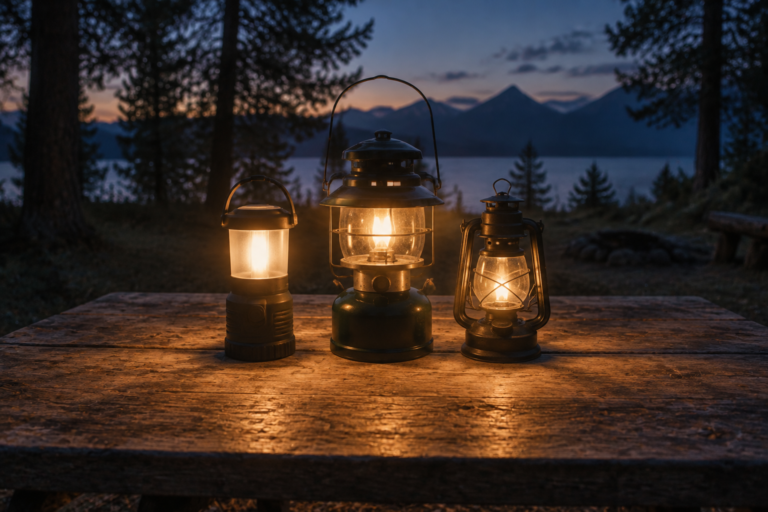
Best Camping Lanterns 2026: 5 Tested Picks
We tested 5 camping lanterns for runtime, charging and water resistance. See the top pick, its trade-off, and how many charges your trip really needs.
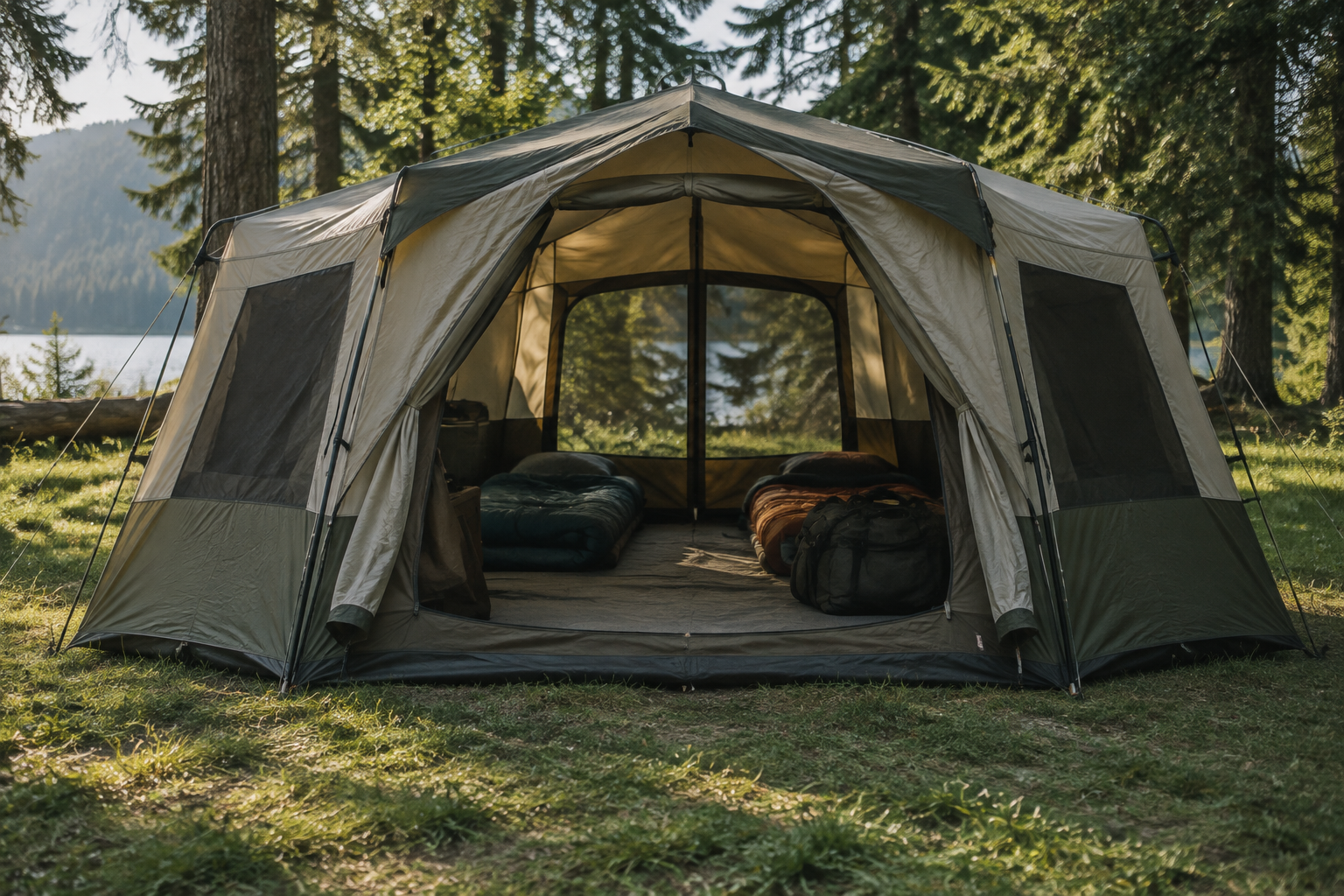
Best Family Tents
Roomy tents for 4 to 10 campers, compared on floor space, height and weather protection.
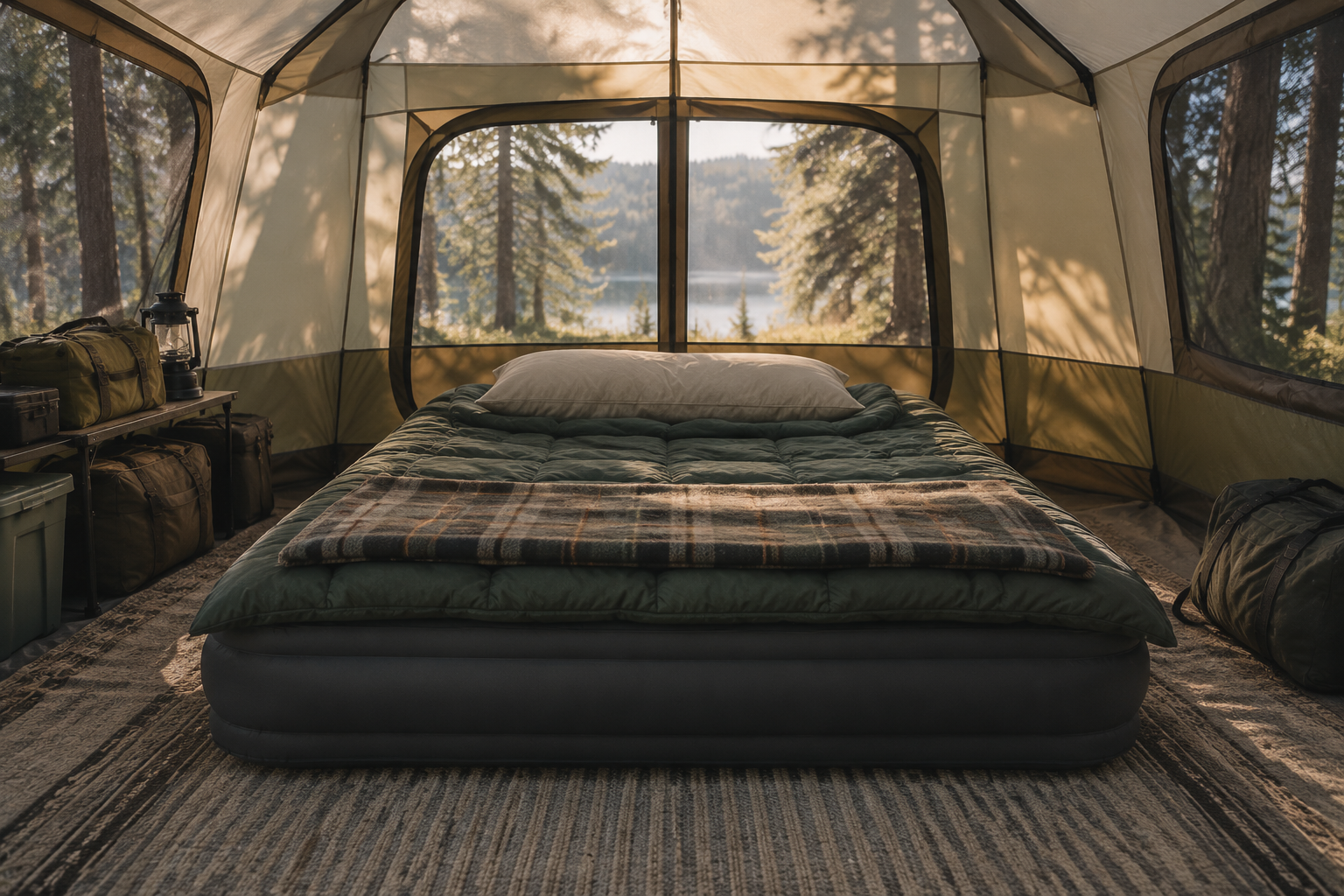
Best Air Mattresses for Camping
Queen, twin and double air beds that hold air through the night.
Our promise
We never rank gear for money.
Retailer commissions keep Ventureora free to read. They never decide what we recommend. Every pick carries a label, so you always know how we judged it.
Common questions
Camping gear questions, answered
Short, direct answers to what campers ask most. Every category has its own set of questions as well.
What camping gear should I buy first?
Sleep first, shelter second. A cold or uncomfortable night ruins a trip faster than anything else, so an insulated pad or a properly rated air bed is the highest-return purchase most campers can make. Then the tent, then lighting, then the camp kitchen, and comfort items such as chairs and tables last.
How much should I spend on camping gear?
Enough that it works, and not much more. A family car-camping setup that lasts several seasons, meaning tent, sleeping system and lighting, typically lands somewhere between 400 and 700 dollars in total. Spending beyond that mostly buys weight savings and specialist weather performance, which matter far less if you are camping from a car in summer.
Do tent capacity ratings mean anything?
Only as an absolute maximum. A capacity rating assumes adults sleeping shoulder to shoulder with no gear inside the tent. Buy one to two capacities above your group size and aim for 25 to 30 square feet of floor area per person, and add headroom if you expect to spend rain days inside.
What is R-value, and why does it matter more than thickness?
R-value measures how well a sleeping pad stops your body heat escaping into the ground. Thickness only measures comfort. An eight-inch uninsulated air bed sits near R-1 and feels cold below about 10C, while a two-inch insulated pad at R-4 stays warm through three-season conditions.
How many lumens does a camping lantern need?
Around 100 to 300 lumens for a tent or a table, and 400 to 600 to light a whole group. The more useful figure is runtime at that brightness, because most lanterns quote a peak output they cannot hold for a full evening.
How long does a cooler really keep ice?
Three to five days for a good rotomoulded cooler and one to two for a budget hard cooler, assuming you pre-chill it overnight and keep it full and in shade. Manufacturer figures are measured under those ideal conditions rather than typical ones, so pre-chilling is the single biggest improvement you can make.
Do you actually test the gear you recommend?
Some of it. Anything we have bought and used carries a Tested by Ventureora label, and the review states what we did, for how long and in what conditions. Everything else is labelled Spec-compared, meaning it was scored against comparable products on verified specifications. We never imply hands-on experience we do not have.
How does Ventureora make money?
Retailer commissions and advertising. If you buy through one of our links we may earn a commission at no extra cost to you, and as an Amazon Associate we earn from qualifying purchases. No brand can buy a place in a roundup, a badge or a better ranking, and commission never influences a verdict.
Not sure where to start?
Tell the Gear Finder how you camp and get picks that fit, with every trade-off explained. A free printable camping checklist is coming soon.